Wishbone Control Arm FEA and Lightweight Design Optimization
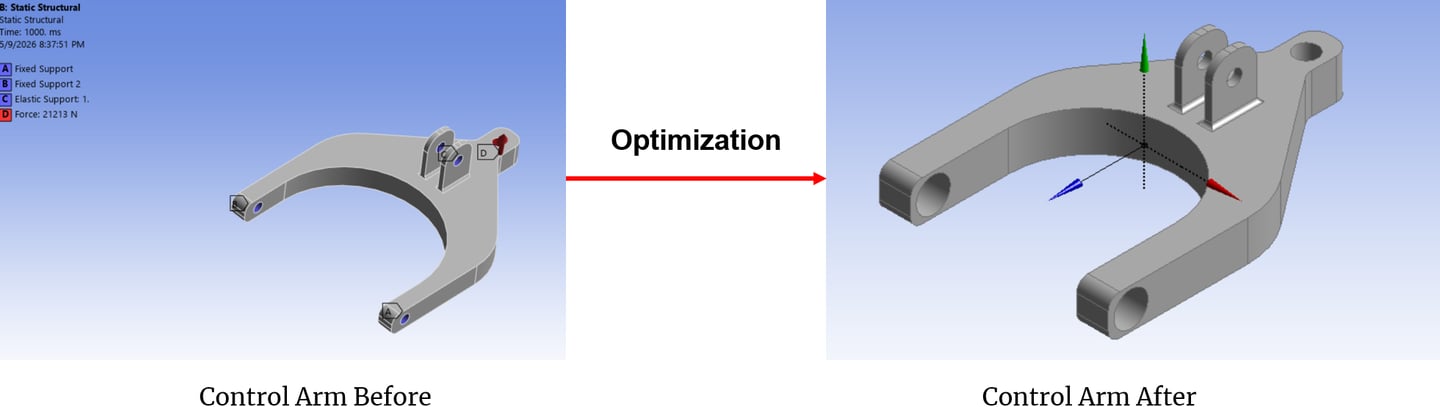
This project focused on the finite element analysis and optimization of a lower wishbone control arm for a vehicle suspension system. The control arm transfers loads between the wheel assembly and chassis while allowing vertical wheel movement during braking, acceleration, and cornering. The objective was to reduce mass while maintaining acceptable strength and stiffness.
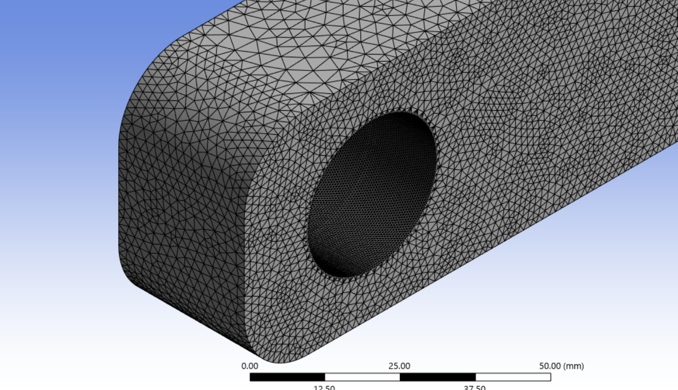
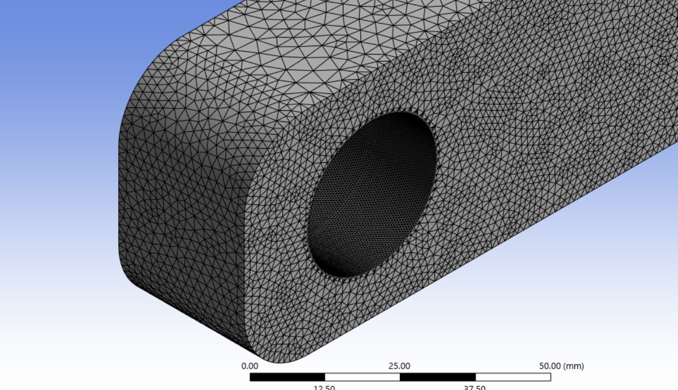
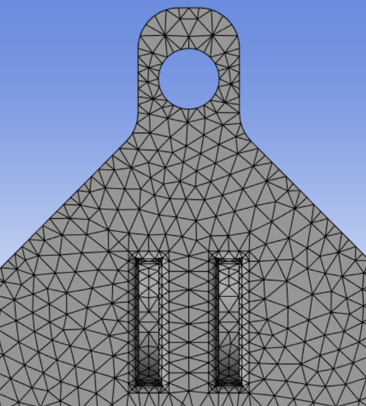
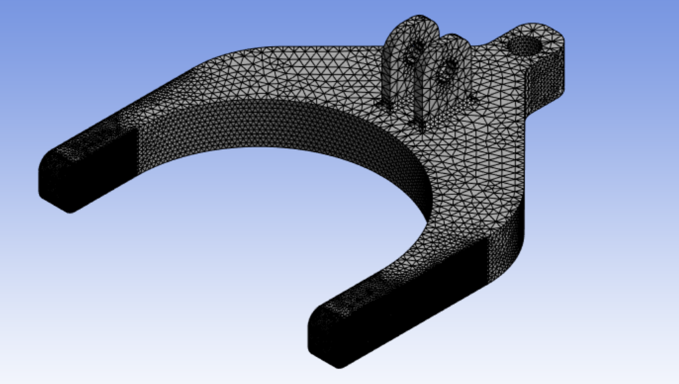
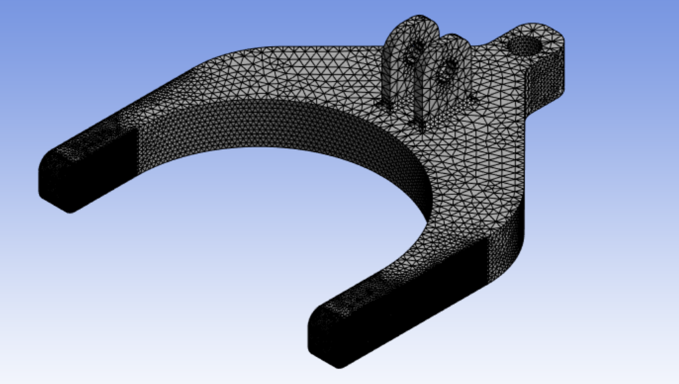
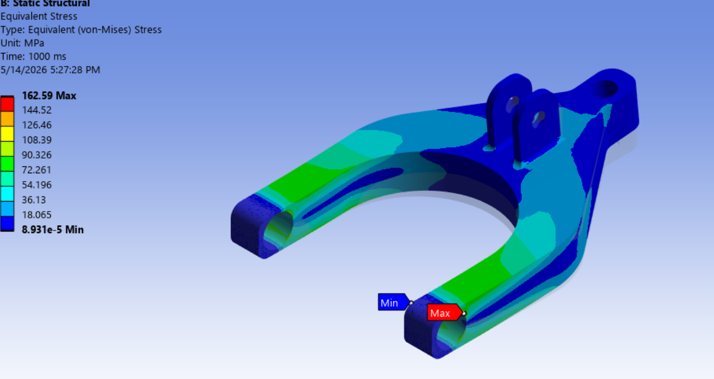
A mesh was developed using edge sizing, with refinement added near the bushing holes and high-stress regions. Averaged and unaveraged von Mises stress results were compared to check mesh behavior and improve result reliability. Design parameters such as arm thickness, internal radius, arm width, and hole size were then varied to study their effect on deformation, stress, and mass.
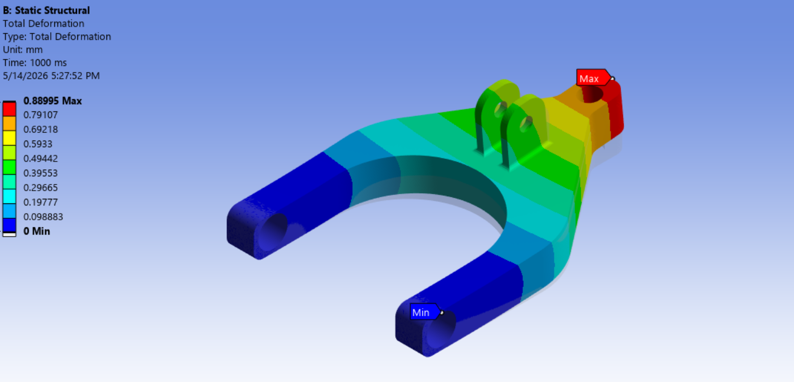
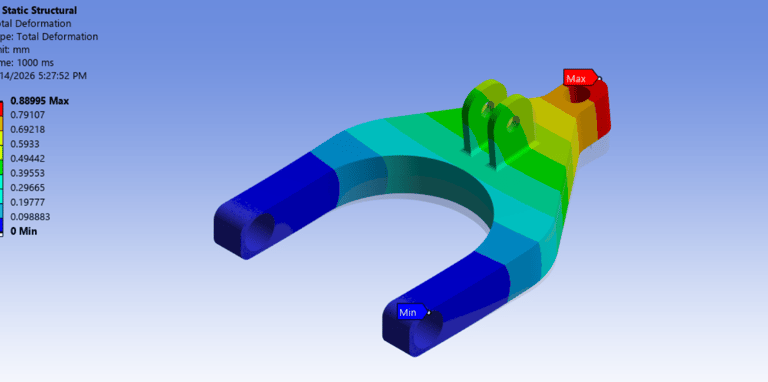
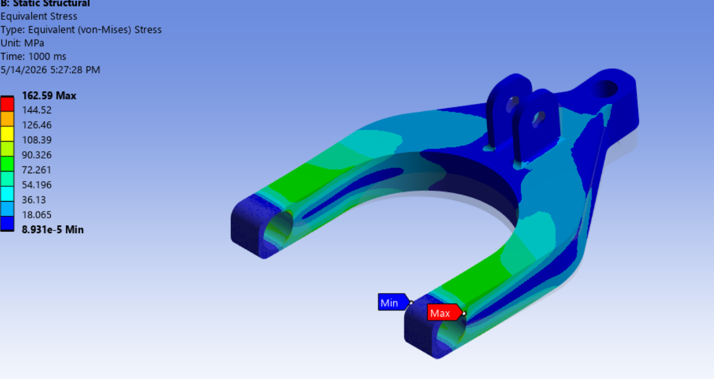
The final optimization minimized mass while constraining maximum von Mises stress to 0.167 GPa, based on a factor of safety of 1.5 for structural steel, and limiting deformation to 4 mm. The optimized design achieved a maximum deformation of 0.89 mm and a maximum von Mises stress of 0.163 GPa, meeting the safety requirement while reducing unnecessary material.
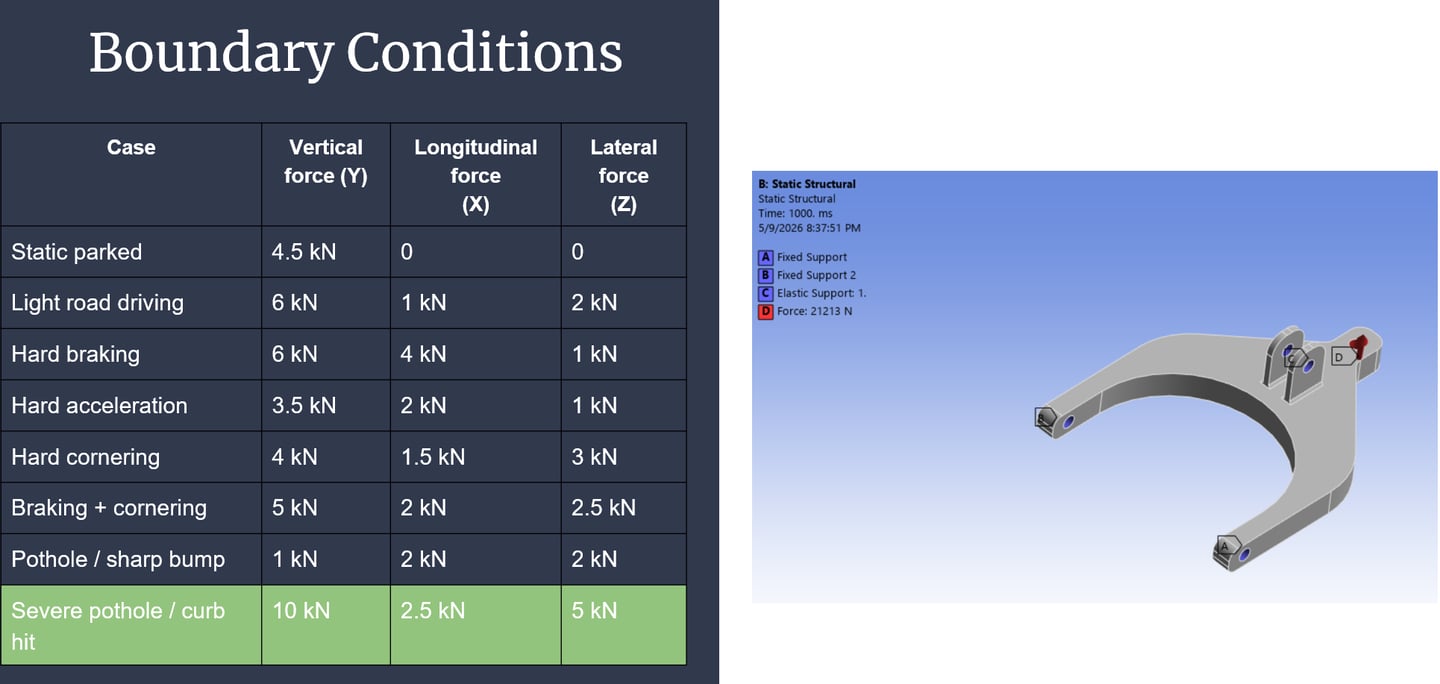
The model was analyzed in ANSYS using structural steel. Boundary conditions were applied to represent realistic suspension constraints: the two bushing locations were fixed, the ball joint acted as the primary load-transfer region, and the upper pin holes used spring supports to simulate suspension movement. Symmetry was not used because the loading conditions acted outside the model’s symmetry plane.